Complete Roof Replacement: Choosing the Right Solution Near You
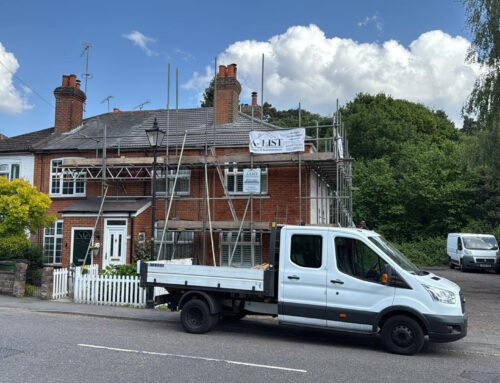
When roof repairs become uneconomical or existing coverings reach the end of their serviceable life, complete roof replacement offers the opportunity to upgrade protection, improve energy efficiency, and enhance property value. Modern roofing systems provide superior performance compared to older installations, whilst professional replacement ensures optimal longevity and weather resistance for decades to come.
When Roof Replacement Becomes Necessary
Several indicators suggest roof replacement rather than continued repair represents the most cost-effective long-term solution. Age alone often determines replacement timing, with traditional felt systems typically requiring renewal after twenty to twenty-five years, whilst slate and tile roofs might last sixty years or more with proper maintenance.
Extensive storm damage sometimes makes replacement more economical than comprehensive repairs, particularly when multiple roof elements suffer simultaneous damage. Insurance assessors often recommend complete replacement when repair costs exceed sixty percent of replacement value, recognising the financial logic of comprehensive renewal.
Multiple leak sources across different roof areas indicate systemic failure rather than localised problems. When repairs become frequent and costly, replacement eliminates ongoing maintenance expenses whilst providing fresh warranty coverage. Energy efficiency considerations also favour replacement, as modern systems incorporate improved insulation and ventilation technologies.
Modern Roofing Material Options
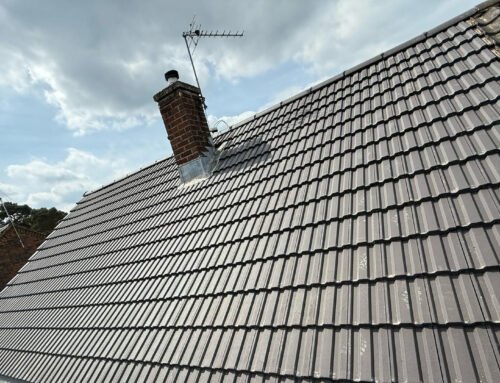
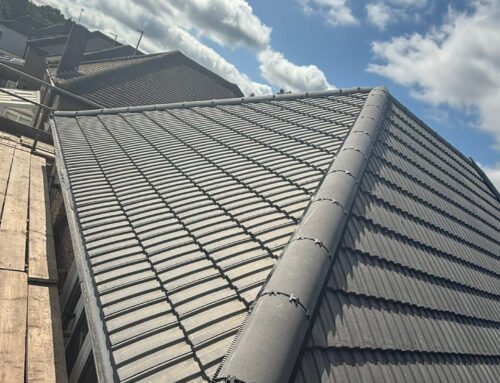
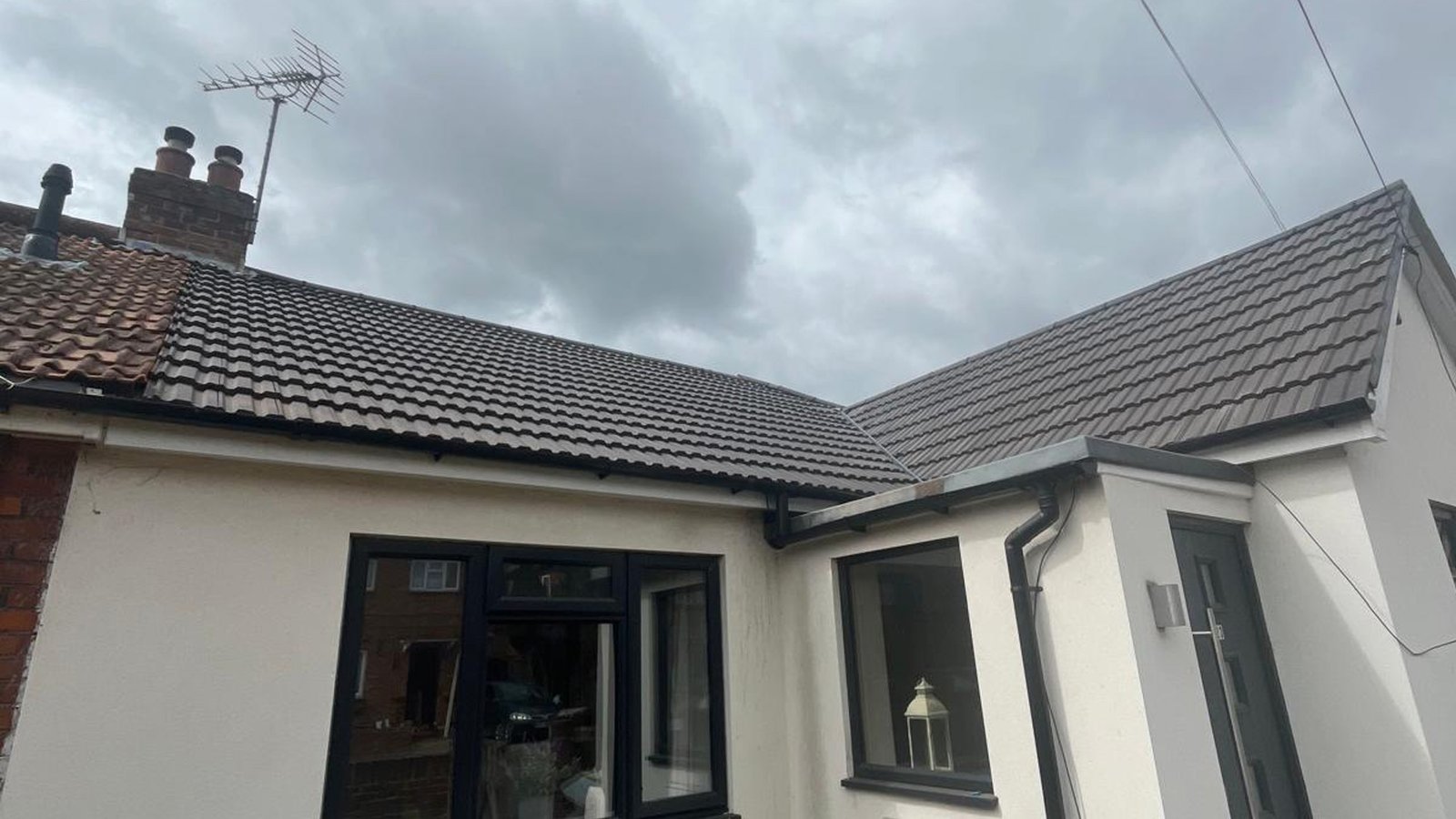
Contemporary roofing materials offer enhanced performance characteristics compared to traditional options, with improved durability, weather resistance, and aesthetic appeal. Modern concrete tiles provide excellent value whilst offering numerous colour and profile options to complement different architectural styles across Surrey, Berkshire, and Hampshire.
Natural slate remains the premium pitched roofing choice, offering unmatched longevity and classic appearance that enhances property values significantly. Welsh slate commands premium prices but provides centuries of service life, making it economical over extended periods. Spanish and Brazilian slates offer more affordable alternatives whilst maintaining natural stone aesthetics.
Metal roofing systems gain popularity for their exceptional durability and low maintenance requirements. Standing seam copper provides distinctive appearance whilst offering seventy-year plus service life. Modern coated steel systems replicate traditional appearances whilst providing superior weather resistance and lightweight installation advantages.
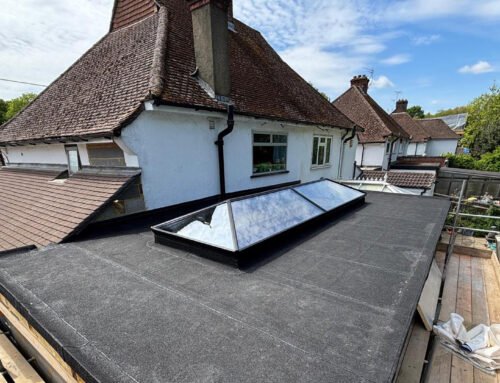
For flat roof areas, EPDM rubber membranes offer excellent performance with twenty-five year guarantees becoming standard. GRP fibreglass systems provide seamless waterproofing ideal for complex geometries, whilst liquid-applied membranes conform perfectly to irregular surfaces and penetrations.
Planning Your Roof Replacement Project
Successful roof replacement requires careful planning considering seasonal factors, material availability, and project coordination. Spring and autumn offer optimal working conditions, avoiding winter weather constraints and summer’s extreme temperatures. Booking replacement work during these peak periods requires advance planning, as experienced contractors maintain full schedules.
Planning permission considerations vary depending on property location and proposed materials. Conservation areas often restrict material choices, requiring matching or complementary selections that maintain historical character. Listed buildings typically require specialist materials and installation techniques, increasing project complexity and costs significantly.
Structural considerations become important for replacement projects, particularly when upgrading to heavier materials or incorporating additional insulation layers. Building regulation compliance ensures proper ventilation, insulation standards, and structural adequacy for proposed installations.
Project Timeline Expectations
Typical roof replacement timelines vary considerably based on property size, complexity, and chosen materials. Simple pitched roof replacement on average family homes usually requires one to two weeks completion, whilst complex roofs with multiple features might extend to three or four weeks.
Weather dependency significantly affects project timelines, as roofing work cannot proceed safely during adverse conditions. Contractors typically schedule replacement work with buffer periods allowing for weather delays without compromising other commitments.
Material delivery coordination ensures projects proceed smoothly without delays. Specialist materials like natural slate or custom metalwork often require longer lead times, necessitating advance ordering and careful scheduling coordination.
Choosing Professional Roof Replacement Contractors
Professional roof replacement demands experienced contractors with proven track records of successful installations. Established companies provide comprehensive warranties covering both materials and workmanship, offering long-term security for significant investments in property protection.
Proper insurance coverage becomes crucial for major replacement projects, including public liability insurance protecting against accidental damage to neighbouring properties. Employer’s liability insurance ensures worker protection, whilst professional indemnity coverage provides additional security for design and specification decisions.
Quality contractors provide detailed written specifications outlining proposed materials, installation methods, and completion schedules. They explain alternative approaches and material options, helping customers make informed decisions based on budget, performance requirements, and aesthetic preferences.
Flat Roof Replacement Solutions
Flat roof replacement offers opportunities to upgrade from traditional felt systems to modern high-performance membranes. EPDM rubber roofing provides exceptional durability with minimal maintenance requirements, making it ideal for domestic and commercial applications.
Modern flat roof replacement often incorporates warm roof construction principles, positioning insulation above the structural deck to eliminate cold bridging and condensation risks. This approach improves energy efficiency whilst protecting the roof structure from temperature fluctuations.
Drainage improvements frequently accompany flat roof replacement, with enhanced falls and outlet positioning preventing water accumulation that accelerates membrane deterioration. Professional installation ensures proper drainage whilst maintaining weatherproof integrity around all penetrations and details.
Heritage and Conservation Considerations
Properties within conservation areas or listed building designations require specialist approaches to roof replacement, balancing modern performance requirements with historical authenticity. Traditional materials like handmade clay tiles or natural slate often represent mandatory choices regardless of cost considerations.
Heritage roof replacement frequently involves salvaging existing materials for reuse, supplemented with matching reclaimed or reproduction materials. Specialist contractors experienced in conservation work understand requirements for maintaining historical character whilst achieving modern weatherproof performance.
Traditional construction techniques might be required for heritage replacements, using lime mortars, wooden pegs, and historical fixing methods. These approaches require specialist knowledge and significantly extend project timelines compared to modern installation techniques.
Energy Efficiency and Modern Standards
Contemporary roof replacement provides opportunities to exceed minimum building regulation requirements, incorporating enhanced insulation levels that reduce heating costs significantly. Modern ventilation systems prevent condensation whilst maintaining energy efficiency, creating healthier internal environments.
Solar panel readiness becomes increasingly important for roof replacement planning, with structural preparation and electrical provisions installed during replacement work. This forward-thinking approach avoids future disruption whilst potentially reducing installation costs for renewable energy systems.
Cool roof technologies help reduce cooling costs in warmer months, with reflective materials and ventilated systems minimising heat gain. These considerations become particularly relevant for south-facing roof slopes and properties with limited natural shading.
For comprehensive roof replacement services across Surrey, Berkshire, and Hampshire, contact A-List Roofing & Refurbishments on 07766 761202. Our experienced team provides expert consultation on material selection, planning requirements, and installation techniques, ensuring your roof replacement delivers optimal performance, durability, and value for your investment.