Emergency Roof Leak Repair: Fast Solutions for Water Damage
Roof leaks represent one of the most urgent homeowner emergencies, capable of causing extensive property damage within hours. Water infiltration threatens structural integrity, damages interior furnishings, and creates conditions for mould growth. Understanding leak causes, immediate response strategies, and professional repair options helps minimise damage whilst ensuring effective long-term solutions.
Common Causes of Roof Leaks
Multiple factors contribute to roof leak development, with some causes more prevalent in specific roofing types and regional conditions. Storm damage often displaces tiles or slates, creating immediate water entry points that require urgent attention. High winds can lift roof edges, compromising weatherproof seals around flashings and joints.
Age-related deterioration affects all roofing materials eventually, with different systems showing vulnerability at various stages. Traditional felt roofing systems typically develop leaks after fifteen to twenty years, whilst modern EPDM membranes offer superior longevity. Poor initial installation frequently causes premature leak development, particularly around complex roof details like valleys and abutments.
Blocked gutters create water backup that can force moisture under roof coverings. Tree debris, moss growth, and inadequate maintenance combine to create drainage problems that manifest as apparent roof leaks. Ice formation during winter months can also create temporary dams that force water into roof structures.
Identifying Leak Sources
Water damage symptoms don’t always indicate leak locations accurately, as water can travel considerable distances through roof structures before becoming visible. Damp patches on ceilings might originate from leaks several metres away, following roof timbers or falling through insulation layers.
Professional leak detection involves systematic roof inspection combined with water testing techniques. Experienced contractors understand water flow patterns and can trace visible symptoms back to actual entry points. This expertise proves crucial for effective repairs, as treating symptoms rather than causes leads to recurring problems.
Internal signs of water penetration include discoloured ceiling areas, peeling wallpaper, and musty odours indicating mould growth. External indicators include missing or displaced roof coverings, damaged flashings, and vegetation growth suggesting persistent moisture presence.
Immediate Response to Roof Leaks
When discovering active roof leaks, immediate action helps minimise interior damage whilst awaiting professional repairs. Move furniture and valuables away from affected areas, placing waterproof covers over items that cannot be relocated. Position containers to catch dripping water, using towels or cloths to prevent splash damage.
Locate your water stopcock and electricity consumer unit, as severe leaks might affect electrical installations. Never attempt temporary repairs during wet or windy conditions, as roof access becomes extremely dangerous. If possible, examine the roof externally using binoculars to identify obvious damage without climbing.
Document damage with photographs for insurance purposes, noting both interior and exterior effects. Contact your insurance provider to report the incident and clarify coverage details. Many policies require prompt notification and may specify approved contractors for repair work.
Professional Leak Diagnosis
Professional roof repair contractors employ various techniques to locate leak sources accurately. Visual inspection identifies obvious damage whilst more subtle problems require systematic testing methods. Water testing involves introducing controlled amounts of water to suspected areas whilst monitoring for internal penetration.
Thermal imaging cameras can reveal temperature variations indicating moisture presence within roof structures. This technology proves particularly valuable for flat roofing systems where leak paths aren’t always obvious. Electronic moisture meters provide quantitative measurements of water content in building materials.
Comprehensive leak diagnosis considers multiple potential causes rather than assuming single failure points. Complex roofs might experience multiple simultaneous problems requiring coordinated repair strategies. Professional assessment ensures all issues receive attention, preventing recurring problems.
Flat Roof Leak Repair Techniques
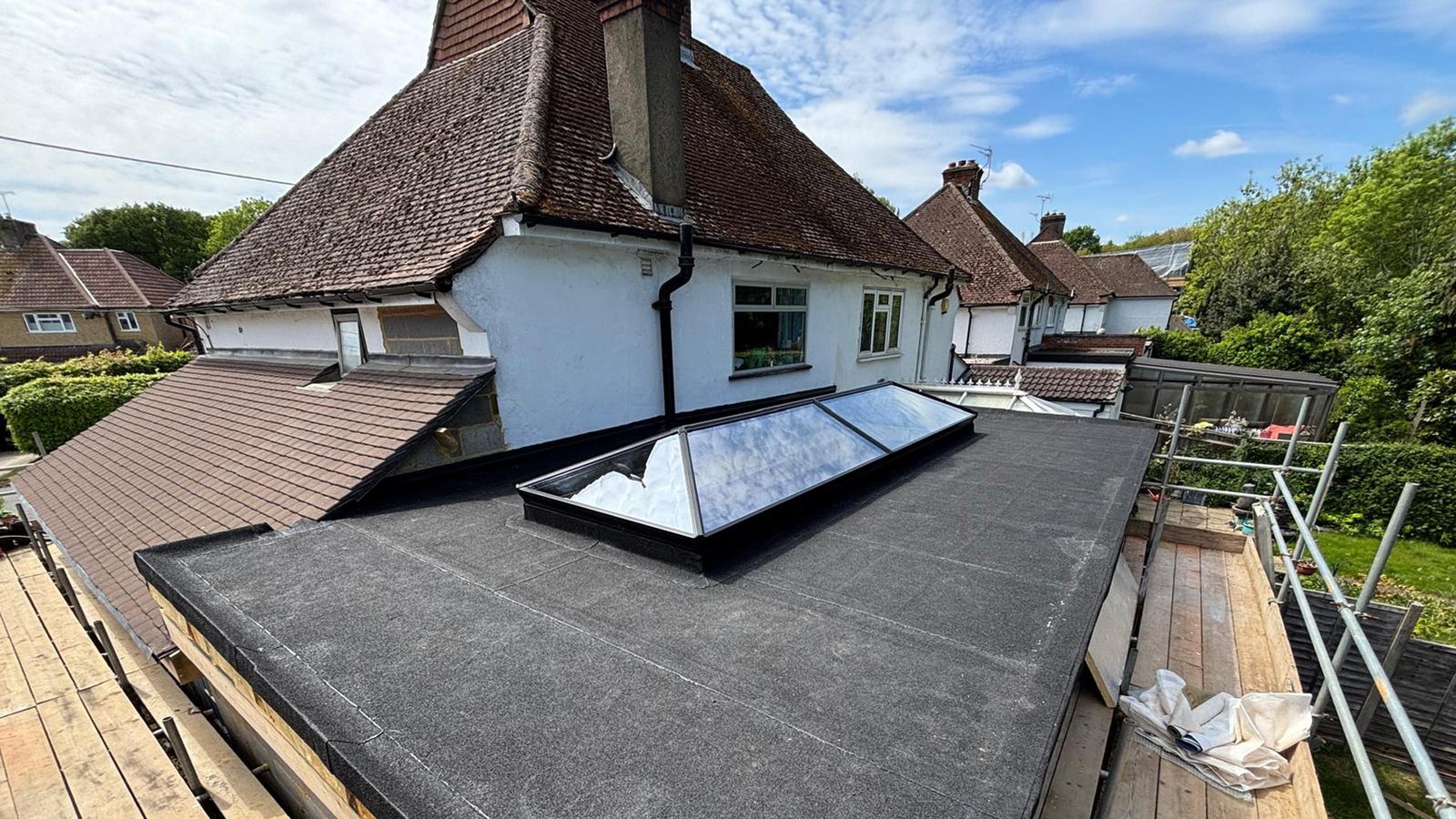
Flat roof repairs require specialised knowledge of membrane systems and drainage considerations. EPDM rubber roofing typically develops leaks at seam joints or around penetrations like soil pipes. Professional repair involves proper surface preparation, compatible adhesives, and weatherproof sealing techniques.
Traditional felt roofing systems often require patch repairs using matching materials and hot bitumen application. Extensive deterioration might necessitate complete re-covering rather than localised repairs. GRP fibreglass systems demand specific resin-based repair methods that create seamless weatherproof barriers.
Modern liquid waterproofing systems offer excellent solutions for complex flat roof geometries. These cold-applied membranes conform to irregular surfaces whilst providing superior adhesion and flexibility. Professional application ensures proper thickness and coverage for lasting protection.
Pitched Roof Repair Solutions
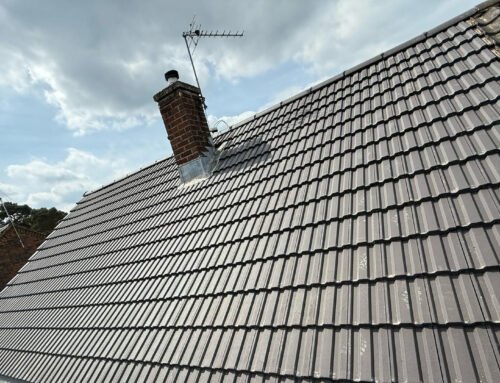
Slate roof repairs require traditional craftsmanship combined with understanding of natural stone properties. Cracked slates often need complete replacement rather than patching, as temporary repairs typically fail quickly. Proper slate installation involves correct nail positioning and adequate overlap measurements.
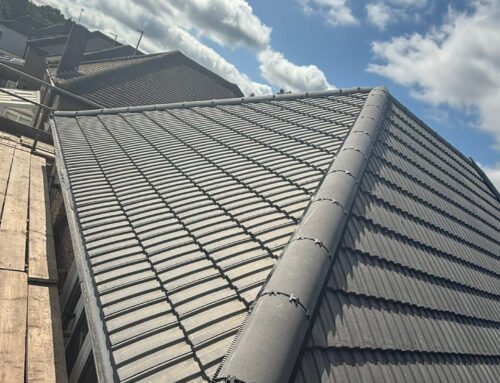
Tile roof repairs range from simple replacement of individual tiles to extensive re-battening projects. Modern concrete tiles offer good durability but require proper ventilation and drainage details. Clay tiles provide superior longevity but need careful handling during repair work.
Flashing repairs around chimneys, dormers, and roof valleys demand particular expertise, as these areas experience complex water flow patterns. Lead work requires traditional skills becoming increasingly rare, making experienced contractors particularly valuable for heritage properties.
Preventative Maintenance Strategies
Regular maintenance significantly reduces leak risk whilst extending overall roof lifespan. Annual inspections should examine roof coverings, guttering systems, and flashings for signs of deterioration. Gutter cleaning prevents water backup that can force moisture into roof structures.
Moss removal eliminates biological growth that retains moisture and can displace roof coverings. Professional roof cleaning not only improves appearance but also allows detailed inspection of roof condition.
Tree management around properties reduces debris accumulation whilst preventing branch damage during storms. Trimming overhanging branches eliminates shade that encourages moss growth whilst reducing leaf accumulation in gutters.
For emergency roof leak repair across Surrey, Berkshire, and Hampshire, contact A-List Roofing & Refurbishments on 07766 761202. Our experienced team provides rapid response services with permanent repair solutions, ensuring your property receives immediate protection and long-term security.