Commercial Roofing: Professional Solutions for Business Properties
Commercial roofing systems face unique challenges compared to domestic installations, requiring specialised materials, installation techniques, and maintenance strategies. Business properties demand reliable weather protection that minimises operational disruption whilst providing long-term value and energy efficiency. Understanding commercial roofing options, maintenance requirements, and professional service standards helps property managers make informed decisions protecting valuable business assets.
Commercial Roofing System Types
Modern commercial roofing encompasses various system types designed to meet specific performance requirements and building constraints. Single-ply membrane systems like EPDM and TPO provide excellent durability with simplified installation procedures ideal for large roof areas common in commercial applications.
Built-up roofing systems featuring multiple layers of bituminous materials offer proven performance for demanding applications, particularly where foot traffic or equipment loading occurs regularly. Modified bitumen systems provide enhanced flexibility and puncture resistance suitable for roofs requiring regular maintenance access.
Metal roofing systems gain popularity for commercial applications due to exceptional longevity and low maintenance requirements. Standing seam systems accommodate structural movement whilst providing superior weather resistance, making them ideal for large-span buildings subject to thermal expansion and contraction.
Green roof systems increasingly feature in commercial developments, providing environmental benefits including stormwater management, insulation enhancement, and urban heat island reduction. These systems require specialist design and maintenance approaches but offer significant long-term operational advantages.
Commercial Flat Roofing Solutions
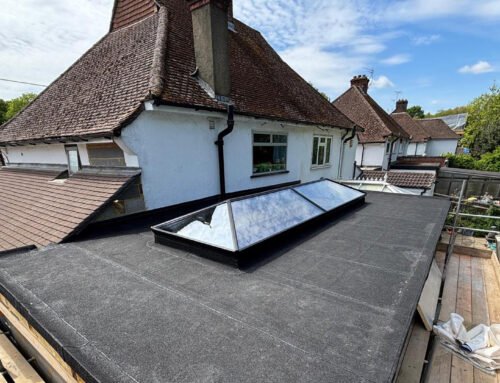
Flat roofing dominates commercial applications due to cost-effectiveness and space utilisation advantages. Modern membrane systems provide reliable waterproofing with warranties extending twenty-five years, offering predictable lifecycle costs essential for business planning.
EPDM rubber roofing provides excellent chemical resistance and UV stability, making it ideal for commercial applications where roof-mounted equipment or chemical exposure might occur. Installation flexibility allows accommodation of complex roof geometries whilst maintaining seamless waterproof protection.
Liquid-applied roofing systems conform perfectly to irregular surfaces and penetrations common in commercial installations. These systems eliminate joints and seams that represent potential failure points in traditional membrane installations, providing superior long-term reliability.
Warm roof construction principles apply particularly to commercial flat roofing, where large roof areas can create significant thermal bridging effects. Proper insulation positioning above structural decks eliminates condensation risks whilst improving energy efficiency substantially.
Industrial Roofing Considerations
Industrial facilities present unique roofing challenges including chemical exposure, extreme temperatures, and heavy equipment loading. Specialist materials resist specific chemical environments whilst providing mechanical protection against damage from industrial operations.
Ventilation requirements often exceed domestic standards due to industrial processes generating heat, moisture, or chemical vapours. Roofing systems must accommodate extensive ventilation equipment whilst maintaining weatherproof integrity around numerous penetrations.
Access requirements for industrial roofing include provisions for maintenance personnel and equipment, requiring robust construction that withstands regular traffic. Safety systems including walkways, handrails, and anchor points become integral parts of industrial roofing installations.
Loading considerations encompass not only structural loads but also dynamic forces from equipment operation, wind effects on large roof areas, and thermal expansion forces in buildings subject to extreme temperature variations.
Health and Safety Compliance
Commercial roofing work requires strict adherence to health and safety regulations protecting workers and building occupants. Professional contractors maintain comprehensive safety management systems including risk assessments, method statements, and emergency procedures.
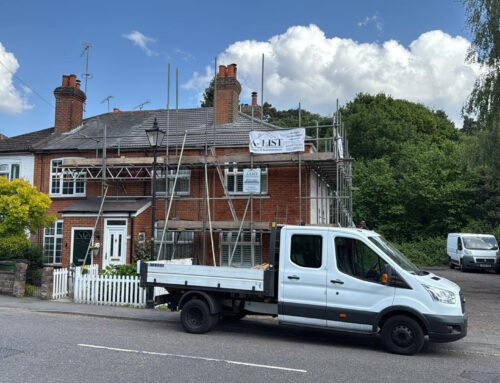
Working at height regulations mandate specific safety equipment and procedures for commercial roofing installations. Scaffolding systems, safety harnesses, and edge protection systems ensure worker safety whilst enabling quality installations that meet professional standards.
Asbestos considerations affect many older commercial buildings, requiring specialist assessment and handling procedures before roofing work commences. Professional contractors possess appropriate training and certification for safe asbestos management during roofing projects.
Commercial Roof Maintenance Programs
Planned maintenance programs provide cost-effective approaches to commercial roof management, identifying problems early whilst they remain economical to address. Regular inspections scheduled seasonally help prevent emergency repairs that disrupt business operations.
Preventative maintenance includes gutter cleaning, drain clearance, and membrane inspection programs that extend roof life significantly. Professional maintenance contracts provide predictable costs whilst ensuring compliance with warranty requirements.
Documentation systems track roof condition over time, enabling informed decisions regarding repair versus replacement timing. Detailed maintenance records support warranty claims and provide valuable information for insurance assessments following storm damage.
Emergency response capabilities become crucial for commercial properties where roof leaks can damage expensive equipment or disrupt operations. Professional maintenance contracts typically include priority response provisions ensuring rapid attention during emergencies.
Energy Efficiency and Sustainability
Modern commercial roofing systems incorporate energy efficiency measures that reduce operational costs whilst supporting corporate sustainability objectives. Cool roof technologies reflect solar radiation, reducing cooling loads particularly beneficial for air-conditioned commercial buildings.
Insulation upgrades during roof replacement or major maintenance can dramatically improve building energy performance whilst reducing heating and cooling costs. Enhanced insulation also improves internal comfort conditions for occupants whilst reducing environmental impact.
Solar panel integration becomes increasingly common in commercial roofing projects, requiring structural assessment and electrical coordination. Roofing contractors experienced in solar integration provide seamless installations that maintain weatherproof protection whilst enabling renewable energy generation.
Rainwater harvesting systems can be incorporated into commercial roofing designs, providing sustainable water resources for irrigation or industrial processes. These systems require careful drainage design and storage tank integration that professional roofing contractors can coordinate effectively.
Commercial Roofing Warranties and Insurance
Commercial roofing warranties typically provide longer coverage periods compared to domestic installations, reflecting the importance of weather protection for business operations. Material warranties often extend fifteen to twenty years, whilst workmanship warranties provide additional security.
Insurance considerations for commercial roofing include business interruption coverage protecting against lost revenue during repair work. Professional installation documentation supports insurance claims whilst proper maintenance records demonstrate due diligence in property protection.
Professional indemnity insurance protects against design or specification errors that might affect roofing performance, providing additional security for significant commercial investments. Established contractors maintain comprehensive insurance coverage protecting all aspects of commercial roofing projects.
Selecting Commercial Roofing Contractors
Commercial roofing contractors require different capabilities compared to domestic specialists, including experience with large-scale projects, commercial materials, and business operational requirements. Established companies provide references from similar commercial projects demonstrating relevant experience.
Financial stability becomes important for commercial contractors due to project values and extended warranty commitments. Proper bonding and insurance coverage protect against contractor default whilst ensuring project completion even if problems develop.
Professional accreditations from material manufacturers often indicate specialist training and approved installation techniques. These certifications support warranty validity whilst providing confidence in contractor capabilities for specific roofing systems.
A-List Roofing & Refurbishments provides comprehensive commercial roofing services across Surrey, Berkshire, and Hampshire, specialising in flat roofing systems, maintenance programs, and emergency response services. Our experienced team understands commercial requirements for minimal disruption, reliable performance, and cost-effective solutions. Contact us on 07766 761202 to discuss your commercial roofing requirements and discover how our professional services protect your business investment.